switch on a Glock
To understand what is a glock switch, you must first understand how a glock is designed to function. Glock Ges.m.b.H. manufactures Glock pistols as semi-automatic firearms. In a standard configuration, the pistol fires one round per trigger pull. After each shot, the slide cycles backward, ejects the spent casing, chambers a new round, and resets the trigger mechanism. As a result, the shooter must release and pull the trigger again to fire another shot.
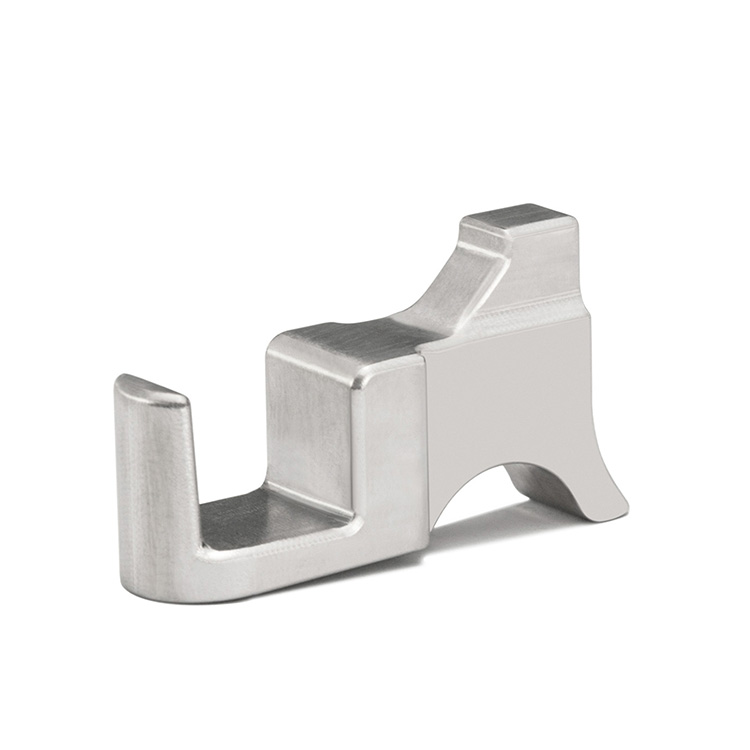
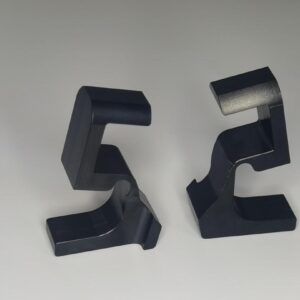
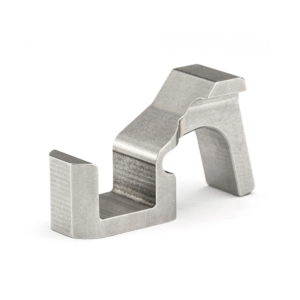
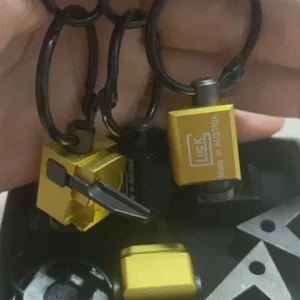
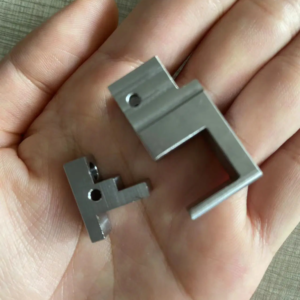
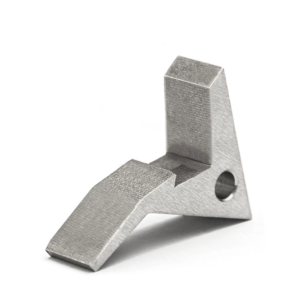
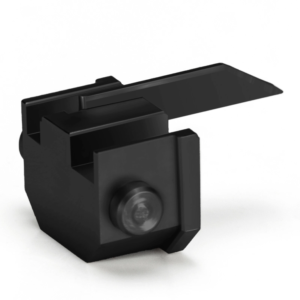
A switch on a Glock refers to a small conversion device often called a Glock auto sear that transforms a semi-automatic pistol into a fully automatic firearm. Although the device is physically small, it has a significant mechanism that makes any user stand out. To get this full conversion auto sear, contact us on live chat or via email info@autoswichstore.net
Where to buy Glock switch: Get your full conversion auto sear to enhance your firearm.
When you choose a Glock switch, you’re investing in precision engineering, proven reliability, and a firearm trusted worldwide. Glock switches are known for their durability, consistent performance, and simple, no-nonsense design. Whether you’re a first-time buyer or an experienced owner, a Glock delivers confidence every time you handle it. Now is the perfect time to secure the model that fits your needs and experience the performance that has made Glock with a switch a global standard. Place your order today or connect with us instantly through live chat for personalized assistance. You can also reach our team directly at info@autoswitchstore.net — we’re ready to help you get started.
Understanding the Laws Surrounding Firearm Modifications
Firearm customization can be legal, but it requires careful attention to federal, state, and local laws. Some state and local regulations often impose further restrictions. Some states regulate magazine capacity, threaded barrels, specific stocks, or other features that may be legal in other jurisdictions. Because these laws vary widely and change over time, responsible owners must verify current requirements before making any functional changes. Consulting official state statutes or a qualified firearms attorney helps ensure compliance.
Ultimately, cosmetic upgrades such as sights, grips, or finishes generally pose fewer legal concerns, while modifications that affect how the firearm operates demand greater scrutiny. Beyond legality, owners should also consider warranty issues, liability risks, and overall safety. Understanding the legal framework before customizing a firearm protects not only your rights but also your long-term responsibility as a firearm owner.
How Switch on a Glock Changes the Normal Function of a Firearm
The modification changes the gun’s behavior from a “stop-and-go” system to a continuous loop. It essentially “breaks” the safety wall that forces the gun to stop after one shot.
Bypassing the Lock: The device features a small metal arm. When you flip the switch, this arm moves into a position where it physically blocks the connector from catching the firing mechanism.
Automatic Release: Because the connector cannot catch and hold the internal pin, the pin flies forward the exact millisecond the slide closes.
The Loop: The gun fires, cycles, and fires again immediately. This continues until you release the trigger or the magazine runs out of ammunition.
Advantages of a Glock switch on a firearm
1. Superior Rate of Fire
The device overrides the manual trigger reset, allowing the firearm to reach its maximum mechanical cyclic speed of approximately 1,200 rounds per minute.
2. Maximum Target Saturation
The high-speed output creates a “wall of lead,” designed to fill a specific zone with projectiles and overwhelm a target’s ability to respond.
3. High-Capacity Force Multiplier
It grants a compact, concealable handgun the raw firepower typically reserved for much larger, heavier submachine gun platforms.
4. Simplified Fire Control
The design provides an elegant, non-permanent mechanical shortcut that allows the user to toggle between precision semi-auto and high-volume full-auto modes.
Standard Operating Procedures: Firearm Handling
First, treat every firearm as if it were loaded. You must always assume the weapon is “hot.” Even if you watch someone else clear the chamber, personally verify the status of the firearm every time you take control of it.
Next, point the muzzle only at what you are willing to destroy. Maintain strict muzzle discipline at all times. By directing the barrel toward a safe impact point—such as a berm or a solid floor—you ensure that an accidental discharge strikes only intended surfaces rather than people or property.
Then, keep your finger off the trigger until your sights occupy the target and you decide to fire. Practice disciplined trigger control by treating the trigger guard as a “no-fly zone.” Index your finger straight along the frame or slide, moving it to the trigger only at the exact moment of engagement.
Finally, identify your target and everything beyond it. Remember that bullets penetrate walls, wood, and metal with ease. Because you remain legally and morally responsible for every round that leaves your barrel, you must confirm that no bystanders or hazards exist in the path or background of your target.
Conclusion: mastering firearm safety requires more than just memorizing a list of rules; it demands a constant, active commitment to discipline and mechanical awareness. Whether you are studying the engineering of high-rate-of-fire systems or practicing at a local range, these universal principles serve as the foundation for responsible ownership.
By prioritizing muzzle and trigger discipline, you effectively mitigate the inherent risks of handling a firearm. Ultimately, safety is not a static state but an ongoing practice that ensures every engagement—whether educational, competitive, or defensive remains controlled and secure.
Be the first to review “UPGRADE YOUR GEAR: SWIFT FULL STAINLESS STEEL AUTO SWITCH FOR FULL AUTOMATIC CONVERSION”
Related products
Glock Switch
Glock Switch
Reviews
There are no reviews yet.